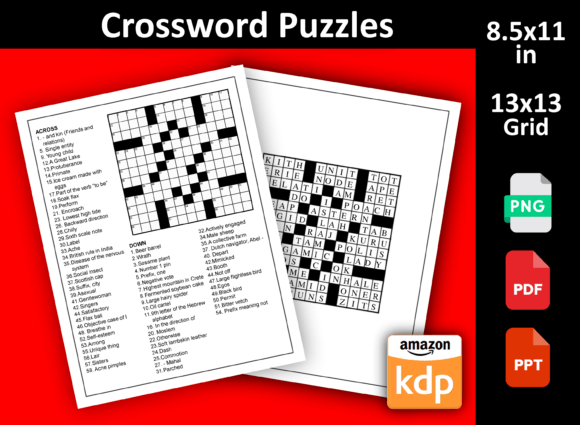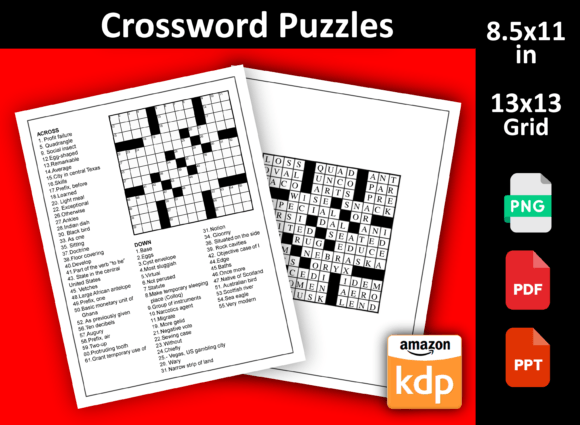
Crossword 3: A Versatile Puzzle Interior for KDP Success
Crossword puzzle books have a quiet, enduring power. They appeal to seniors keeping their minds sharp, kids building vocabulary, and commuters wanting an offline brain break. For self-publishers on Amazon KDP, this means a steady demand that doesn't chase fleeting trends. Crossword 3 fits directly into that space. It’s a ready-made puzzle interior designed to help you skip most of the formatting headaches and create a book that feels professional from page one.
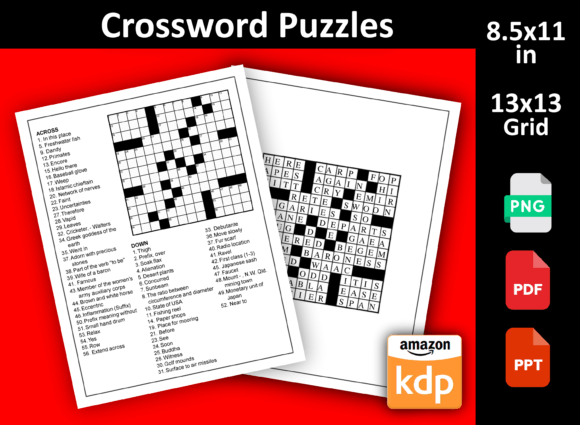
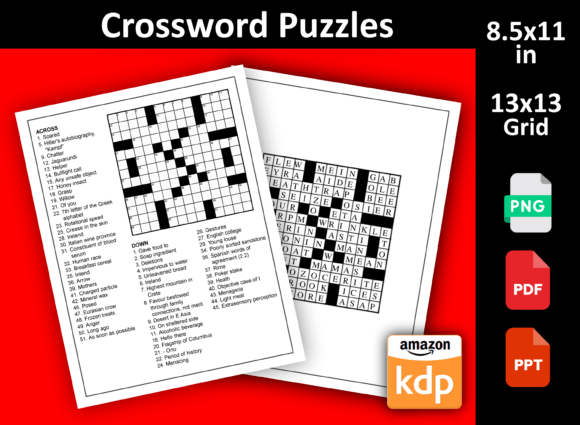
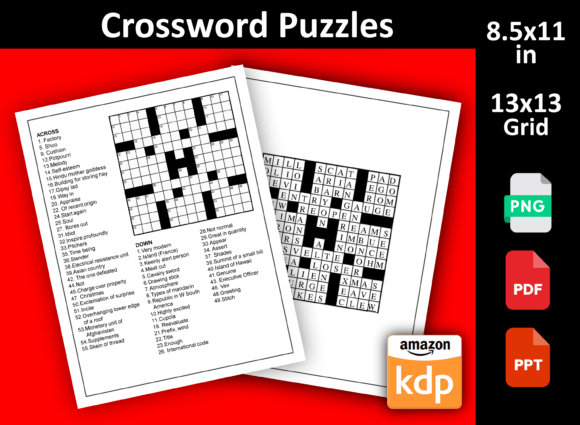
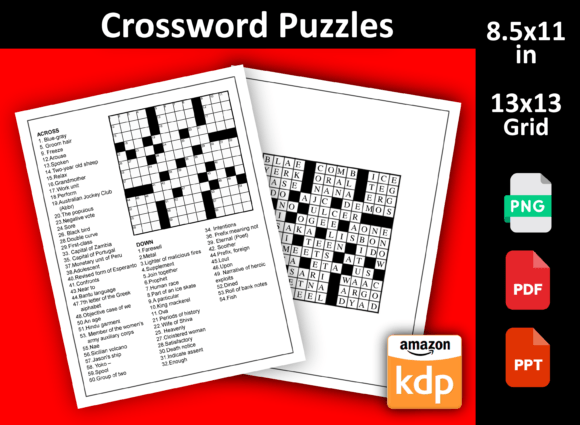
If you’ve ever stared at an empty puzzle grid unsure about symmetry, word placement, or the difference between American and cryptic styles, you understand the friction. Crossword 3 removes that barrier. You receive a complete puzzle page, a matching solution, and multiple file formats—all sized precisely for print. This isn't just a random grid; it follows the classic American crossword structure, uses a 13x13 medium-large board, and lands at a difficulty level that feels rewarding without being frustrating.
Why Crossword Books Remain a KDP Goldmine
Walk into any airport bookstore or browse the “Activity Books” category on Amazon, and you’ll see a wall of puzzles. The category thrives because it solves a universal problem: the need for relaxing, screen-free mental stimulation. Adults buy them for stress relief, vocabulary practice, or simply as a daily ritual. Grandparents buy them as gifts for grandchildren. Teachers use them for classroom vocabulary reviews. That wide net means you aren’t betting on a niche that might disappear next month.
Low-content publishing on KDP can feel crowded, but crosswords hold a unique advantage. They carry a perception of substance. A word search might feel too casual; a crossword signals a cognitive workout. Crossword 3 doubles down on that perception with a grid size and word density that clearly says “this is a proper puzzle.” When customers sample the “Look Inside” feature and see a well-composed 13x13 grid with neat numbering and clear symmetry, they’re far more likely to click “Buy Now.”
What Makes Crossword 3 Different from a Basic Grid
At first glance, a crossword might just look like black-and-white squares. The difference is in the details that can turn a mediocre puzzle book into a well-reviewed one. Here’s what you’re actually getting and why it matters.
American Style, 13x13 Grid, Intermediate-to-Hard Level
American crosswords have a specific feel: no unchecked letters, typically 180-degree rotational symmetry, and a vocabulary that mixes common knowledge with clever wordplay. The 13x13 grid size is a sweet spot. It's larger than the simple 9x9 beginner puzzles, offering enough depth to engage adults for 20–30 minutes. Yet it's not as intimidating as a full 15x15 daily newspaper puzzle. The intermediate-to-hard rating appeals to solvers who want a challenge without needing a dictionary by their side. This level also helps your book land in a less saturated part of the market compared to books full of easy puzzles.
Clean, No-Bleed Layout at 8.5 x 11 inches
KDP loves predictable formatting. This interior is already sized for a standard 8.5 x 11 inch page with no bleed. That means no images running to the edge of the paper, no risk of crucial grid lines getting trimmed off. You can upload and publish with confidence, knowing the puzzle area will sit perfectly centered on every copy. For your readers, the large page size gives them plenty of room to write guesses, erase confidently, and even jot down notes in the margins.
Formats That Actually Help You Work
You receive a ZIP file containing the puzzle and solution in PDF, PPTX, and PNG formats. This isn't just a take-it-or-leave-it package. The PDF is press-ready for direct KDP upload. The PowerPoint (PPTX) file lets you tweak branding elements, add a header or page number, or integrate the puzzle into a larger activity book layout without needing expensive graphic design software. The PNG image gives you a high-resolution visual to use in your book listings, social media previews, or advertising.
Who Should Use Crossword 3?
You don’t need to be a seasoned puzzle constructor to make this work. In fact, the product explicitly supports those who aren't. The audience ranges widely, but here’s where the value really clicks.
First-time KDP publishers often freeze when they realize that “low content” still requires proper interiors. Crossword 3 gives you a polished centerpiece that you can build a whole book around simply by duplicating pages and adding a cover. It lowers the entry barrier dramatically.
Busy creators and freelancers who design activity books for clients can drop this puzzle in as a premium add-on. Instead of spending two hours constructing a single grid, you have a commercial-ready asset that can be mixed into wedding activity books, teacher resources, or senior brain-training journals.
Educators and bloggers can adapt the PPTX version for classroom handouts or subscriber freebies. A vocabulary-themed puzzle feels more exclusive when the design itself is original and professional, not something scraped from a free generator.
Print-on-demand entrepreneurs who already sell notebooks or journals can expand into puzzles without learning new software. Adding a puzzle section in the middle of a creative journal, or publishing a standalone crossword book, immediately diversifies your catalog and appeals to customers looking for gift items.
Practical Ways to Use This Interior in a KDP Book
One of the smartest features mentioned is the ability to mix and match with other puzzle volumes. Crossword 3 isn’t a dead end; it’s a building block. Here are a few concrete ways to deploy it.
- Standalone crossword book: Simply copy the puzzle page to have, say, 50 or 100 unique crosswords in one volume. Use the solution section at the back for a clean, organized answer key.
- Puzzle variety bundle: Combine this 13x13 crossword with word searches, Sudoku, or cryptograms you already own. Alternating puzzle types keeps readers engaged longer and often leads to better reviews.
- Themed activity book: If you’re creating a book around a specific interest like travel, food, or history, you can use Crossword 3 as the skeleton. Overlay a themed title on each page (easy to do in PowerPoint) and perhaps adjust the clues to match the theme. The core grid remains the same, but the context changes entirely.
- Premium paperback gift item: Bundle it with a matching cover, a personalizable “This book belongs to” page, and a few introductory tips for solving crosswords. Suddenly you have a thoughtful gift for puzzle lovers on birthdays or holidays.
Things to Evaluate Before You Publish
Even with a perfectly formatted interior, a few strategic decisions separate books that sell from those that gather digital dust. Take these into account as you plan your project.
Clue quality and consistency: The interior provides the grid and solution, but you’ll need to supply or verify the clues. A 13x13 puzzle at intermediate-to-hard level demands clues that are fair, interesting, and don’t rely on overly obscure trivia. If you’re adapting crosswords, ensure the clues read naturally and contain no formatting errors. One misnumbered clue can frustrate a solver and lead to a negative review.
Amazon’s content guidelines: While puzzles are generally safe, double-check that your accompanying text, cover, and any additional content don’t inadvertently cross into trademarked territory. Avoid using proprietary puzzle names or implying affiliation with major newspapers.
Print quality and paper: KDP prints on standard white paper. Most pens and pencils work fine, but gel pens or highlighters may bleed through. You can’t control paper stock, but you can mention in your book’s description that light pencil or ballpoint pen is recommended. Small attentions like this show you care about the user experience.
Competition and differentiation: There are many crossword books on Amazon. Crossword 3’s unique design and mix-and-match capability already set you apart, but your cover, title, and interior extras (like a progress tracker or a “hints” page) can make your book the obvious choice when placed side-by-side with generic alternatives.
Building a Reputation with Quality Interiors
One often-overlooked aspect of low-content KDP is trust. A customer who buys a puzzle book and finds oddly sized grids, inconsistent difficulty, or missing solutions will never buy from your brand again. Using a professionally constructed interior like Crossword 3 signals that you value their time. Over the long term, that translates into repeat customers who subscribe to your author page or grab your newest puzzle release without hesitation.
Think of this interior as a piece of your publishing toolkit, not a one-off product. As you get comfortable, you might release different volumes—Volume 1 might be a mix of easy and intermediate puzzles, Volume 2 could lean entirely on intermediate-to-hard grids like this one, and Volume 3 might combine crosswords with other brain games. The ZIP file with editable formats makes it simple to maintain a consistent look across your catalog.
Expanding Beyond Amazon
While KDP is the primary mentioned platform, Crossword 3 isn’t locked into it. The same PDF can be printed at home for local markets, used in senior center booklets, or adapted into digital downloads on Gumroad or Etsy. Tutors can print a few puzzles for a quiet classroom activity. The no-bleed format and universal dimensions mean you don’t need to redesign for different printers. This versatility adds layers to your return on investment, especially if you plan to monetize across multiple channels.
Puzzle books remain a quiet pillar of the self-publishing world. They don’t demand constant marketing hacks; they sell because people actively search for them. When you start with a clean, ready-to-use asset like Crossword 3, you move from wondering if you can publish a puzzle book to deciding how creatively you’ll present it. The grid is drawn, the solution is mapped, and the files are ready. The rest is up to your imagination and your willingness to share a little mental challenge with the world.