Camping Journal Template: Document Every Adventure with a Professionally Designed Interior
Walking back from a weekend trip, the smell of smoke still in your clothes, you try to hold onto the details—the hidden switchback where you spotted a fox, the way morning light hit the lake, the meal that somehow tasted better cooked over a single burner. A year later, those memories start to blur. A Camping Journal Template changes that. It’s not just a notebook; it’s a structured, print-ready interior designed specifically for campers, RV enthusiasts, and outdoor lovers who want to capture their experiences without starting from a blank page. For anyone selling on Amazon KDP, this ready-to-upload interior saves dozens of hours while giving customers something they actually use and keep coming back to.
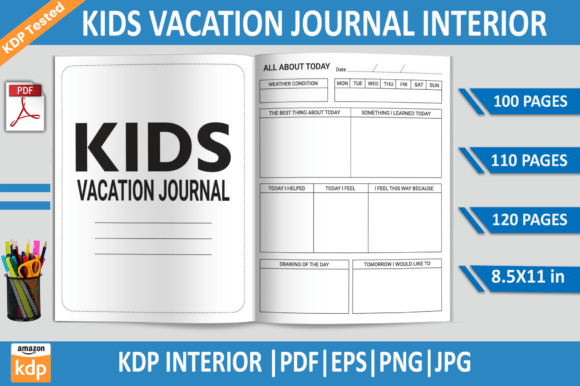
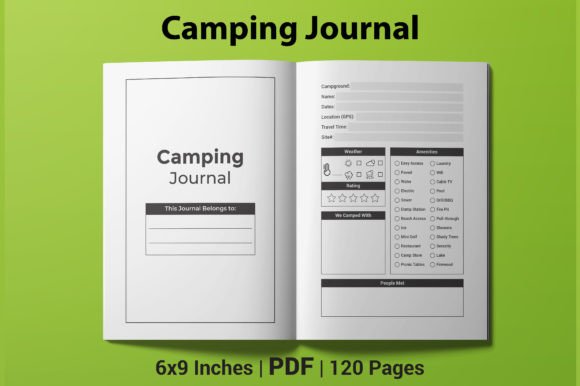
At its core, a camping journal template provides guided prompts, organized sections, and a clean layout that makes recording trips effortless. The version we’re looking at comes in a practical 6x9 inch size, the sweet spot for glove boxes, backpacks, and cabin shelves. It offers flexibility with 100, 110, or 120 pages, all with no bleed so printing is straightforward and margins stay crisp. The download includes PDF, AI, EPS, and JPG files, with the PDF already optimized for direct Amazon KDP uploading. That means once you add your cover, you can hit publish. No reformatting, no last-minute bleed adjustments.
What Makes a Camping Journal Interior Actually Useful?
A well-designed interior does more than just look good. It guides the user’s thoughts. Instead of staring at an empty page wondering what to write, the template provides gentle structure: a spot for the date and location, weather conditions, trail names, campsite details, wildlife sightings, even a section for rating the experience or noting what gear worked. These prompts turn a vague intention into a documented record. Over time, that record becomes a personal reference library. You remember which site had the best shade, which campground charged extra for showers, or which trail was too strenuous for the kids. That’s practical knowledge that saves time on future trips.
For the creator or small business owner selling these on KDP, the value is even more concrete. The interior is print-ready at high resolution, meaning no pixelation, no font embedding issues. You download the zip, open the PDF, and it’s done. Because it’s no bleed, you avoid the common headache of trimming off important content. The 6x9 format is one of the most popular sizes for journals on Amazon, so you’re not trying to convince people to buy an odd shape. You’re meeting them where they already shop.
Where and When People Actually Use a Camping Journal
The obvious place is at the campsite. After the tent is up and the fire is going, there’s a quiet half-hour perfect for jotting down notes. But that’s just one scene. Some families treat the journal as a shared project, passing it around the picnic table so each person adds their favorite moment. Solo hikers use it at trail junctions as a quick log of conditions. RV travelers who crisscross the country fill out entries at rest stops or diners while the memory is fresh. Even backyard campers—those who pitch a tent ten feet from the house for the kids—find the journal turns a simple sleepover into a documented “expedition.”
People reach for these journals during the trip, but the real magic often happens weeks later. Sitting on a winter evening, flipping through past entries, you realize how much you’d forgotten. That rain-soaked morning that felt miserable at the time now reads like an adventure. A note about a kind fellow camper who gave you extra firewood brings back a feeling of gratitude. The journal becomes a time capsule, not just a log.
Why a Template Beats Starting from Scratch
You could create a camping journal by hand. Fire up InDesign or Canva, choose fonts, set margins, build prompts, test print, tweak, test again. Or you could download a template that’s already done. The difference isn’t just time—it’s expertise. An experienced template designer knows how to balance white space with content, how to make lines the right distance apart for comfortable writing, and how to arrange sections so the page feels inviting, not cluttered.
For someone uploading to KDP, there’s another layer. Amazon’s print-on-demand system has specific requirements. Colors need to be CMYK. Margins must account for the binding edge. File dimensions have to be exact. This template package includes source files (AI, EPS) so you can tweak colors or add a logo if you want, but the PDF is already within Amazon’s specs. That removes the risk of rejections or customer complaints about cut-off content. It also means you can go from idea to listing in under an hour.
Realistic Use Cases Beyond the Obvious
While the primary audience is campers, the template supports a range of applications that broaden your potential customer base. Consider these scenarios:
- Outdoor educators use journals during school trips or summer camps, turning nature observation into a structured activity. The prompts help kids articulate what they see, hear, and feel.
- Scout leaders often look for merit badge resources. A logbook format with space for requirements tracking fits perfectly.
- Van life content creators document their travels in journals and later share excerpts on social media or blogs. The physical journal becomes source material for digital content.
- Hunting and fishing guides keep notes on conditions, successful spots, and gear performance. A dedicated field notes section in the template makes this easy.
- Nature photographers record settings, lighting conditions, and exact locations alongside exposure notes, tying the journal to their creative process.
- Therapeutic or mindfulness practitioners recommend journaling as a grounding exercise. A camping-specific version encourages people to slow down and notice details.
Each of these groups buys journals for slightly different reasons, but they all value a clean, straightforward interior that doesn’t get in the way. The 100, 110, and 120-page options let you tailor the product to different trip frequencies or seasons. A 100-page version might suit a long summer road trip; a 120-page journal could cover an entire year of weekend adventures.
How Different Users Benefit in Different Situations
A family of five loading up for their first tent camping trip in years might feel overwhelmed by logistics. The journal gives the parents a low-pressure way to record what worked—and what didn’t—without feeling like they’re doing homework. The kids can doodle in the margins or add sticker stars for each new animal spotted. The journal becomes a keepsake, not a chore.
A solo backpacker covering twenty miles a day has a different need. Weight and space matter. They want minimal prompts, plenty of blank lines, and a compact 6x9 format that slides into a side pocket. The template delivers that without extra fluff. They can log mileage, water sources, and campsite ratings in under two minutes and get back on the trail.
An Amazon KDP seller has yet another perspective. They’re not the end user, but they need to understand the end user deeply to market the product. Using the same template they sell gives them authentic insight. They can write product descriptions that speak directly to the family’s desire for memory-keeping or the backpacker’s need for efficiency. That firsthand experience translates to better listings and more sales.
What to Consider Before Downloading and Using the Template
Before you rush to upload, a few practical considerations will save you from pitfalls. First, note that this is an interior file only. You need to design your own cover, whether in KDP Cover Creator or a separate program like Adobe Illustrator. The spine width will depend on the page count you choose (100, 110, or 120 pages), so calculate that correctly. The template includes editable AI and EPS files, so you can customize interior elements—change a prompt, add a bucket list page, or adjust the order of sections—before exporting your final PDF.
Print-readiness doesn’t mean anything goes. Open the PDF and run a preflight check anyway. Ensure all fonts are embedded, images are high-resolution, and no stray elements exist outside the trim area. Because this is no bleed, you don’t have to worry about bleed settings, but always preview the file in KDP’s online viewer before publishing. That last step catches oddities like a missing page or an unintended blank spread.
If you plan to sell the journal, think about the cover messaging. A compelling cover that clearly states what’s inside—something like “Camping Logbook: Record 100 Adventures”—will outperform a vague cover every time. The interior does the heavy lifting once someone opens the book, but the cover gets them to click. Since the template is interior-only, your cover design effort directly impacts sales.
Connecting the Template’s Features to Real Outcomes
Talking about “high-resolution interiors” in isolation means little. But when a customer writes with a fountain pen and the ink doesn’t bleed through the paper, they notice. Amazon KDP uses standard paper stocks; the template’s design accounts for that, keeping line spacing generous enough to prevent crowding. That small detail means a camper can actually read their own handwriting months later, even if they wrote while sitting on a rock.
The inclusion of multiple file formats (PDF, AI, EPS, JPG) matters because it protects your investment. If you ever want to move beyond KDP to a different print platform, you have the editable source files. You can resize for a 5x8 version or add more pages without rebuilding from scratch. This flexibility extends the template’s life well beyond a single product launch. Some creators bundle the JPG pages into a digital printable version, selling a fillable PDF on Etsy as an additional revenue stream. The same interior serves multiple purposes.
Instant download also aligns with the reality of creative momentum. When you’re excited about an idea, waiting for a file to arrive via email kills that momentum. You get the template, start customizing, and list within the same day. For bloggers and content creators who want to offer a free printable lead magnet, the interior pages can be repurposed quickly. A five-page sampler—just the weather log, trip highlights, and packing checklist—sits behind an email sign-up form. That one template feeds book sales, list growth, and possibly even physical products if you decide to have copies printed locally.
Making the Journal a Habit, Not a One-Time Purchase
The long-term value of any journal depends on whether people keep using it. A template that’s too busy or rigid gets abandoned. That’s why effective camping journal interiors leave breathing room. They include undated pages so users don’t feel guilty for missing a weekend. They sprinkle in occasional blank pages for sketches or pressed flowers. They avoid cramming fifty prompts onto a single spread. These are psychological design choices embedded in the template’s structure. When someone fills one journal and buys another, it’s a sign the interior worked.
For KDP publishers, that repeat purchase pattern is golden. It turns a one-off transaction into a relationship. Someone who bought your camping journal last summer might come back for a hiking-specific version or a birdwatching log next spring. If the interior quality is consistent—and with a tested template, it is—you build brand trust without needing to reinvent the wheel each time. You can focus on creative cover designs and niche-specific keywords rather than internal formatting.
Ultimately, a Camping Journal Template with a professionally designed interior solves two problems at once. It gives campers a beautiful, functional place to store memories and practical information. And it gives creators a shortcut to a sellable, high-quality product that fits Amazon’s print ecosystem perfectly. The 6x9 no-bleed format with 100, 110, or 120 pages covers a broad range of user preferences while keeping production simple. Whether you’re the one writing in the journal or the one publishing it, the result is the same: less friction, more doing, and a lasting record of time spent outdoors.