Unlocking Flavor Profiles with a Dedicated Butter Tasting Journal
Anyone who has ever slathered a slice of warm bread with artisan butter or savored a complex triple-cream cheese knows that not all dairy is created equal. The subtle differences between a cultured butter from Normandy and a sweet cream butter from Wisconsin can be night and day. Yet without a systematic way to record these experiences, those delicate tasting notes fade from memory almost as quickly as the butter melts. A Butter Tasting Journal offers a practical, elegant solution for documenting every nuanced encounter with butter, cheese, and other dairy products, transforming casual consumption into a rich, educational journey.
What Exactly Is a Butter Tasting Journal?
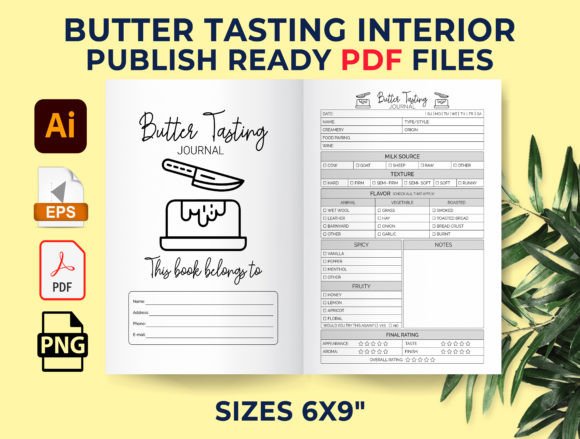
At its core, a Butter Tasting Journal is a structured notebook designed specifically for recording detailed observations about the dairy products you sample. Think of it as a personal flavor archive. Each page invites you to capture essential information including the milk source—whether cow, goat, sheep, or buffalo—along with the product's origin, production method, and date of tasting. Beyond the basics, the journal provides dedicated space for sensory notes on aroma, texture, appearance, and of course, flavor. The format is intentionally simple yet comprehensive, allowing both novices and seasoned tasters to build a reference library of their dairy discoveries over time.
The Challenge of Remembering What You Taste
Most people rely on memory alone when trying new foods, and this approach has clear limitations. You might recall that you enjoyed a particular butter at a dinner party three months ago, but can you name the brand, the milk source, or what specifically made it memorable? Probably not. The human palate can detect thousands of distinct flavor compounds, and without a system to anchor those impressions, they slip away. This is especially true when tasting multiple products in succession, such as at a farmers market or during a cheese board assembly. Flavor fatigue sets in, details blur together, and what started as a delightful exploration ends as a vague recollection of “that really good one.”
Another common frustration is the inability to articulate what you taste. Many people know they prefer one butter over another but struggle to explain why. A Butter Tasting Journal guides you through the descriptive process, prompting you to consider specific elements like saltiness, grassy notes, nuttiness, tang, and mouthfeel. Over time, this practice sharpens your sensory vocabulary and deepens your appreciation for the craftsmanship behind each product.
How a Butter Tasting Journal Transforms Your Tasting Practice
Adopting a dedicated tasting journal shifts your approach from passive consumption to active engagement. When you know you will be recording your impressions, you naturally pay closer attention. You notice the color of the butter—is it pale yellow or deep gold, hinting at the cow's diet? You detect the faint sweetness of fresh cream or the pleasant funk of a properly fermented culture. You observe whether the texture is silky and spreadable straight from the refrigerator or crumbly and dense. Each observation becomes a data point in your growing personal dairy database.
The journal also serves as a practical shopping tool. How many times have you stood in front of a cheese counter or grocery dairy case, trying desperately to remember which brand you loved and which one disappointed you? With a well-maintained tasting journal, you can quickly reference your notes before making a purchase. This habit not only saves money by avoiding repeat disappointments but also builds confidence in your selections. You begin to recognize patterns in your preferences—perhaps you consistently favor sheep's milk cheeses with a bloomy rind or cultured butters with a higher salt content.
Practical Applications for Different Types of Tasters
The beauty of a Butter Tasting Journal lies in its versatility. Different users will approach it with different goals, and the journal accommodates them all gracefully.
For the home cook who loves experimenting in the kitchen, the journal becomes a culinary companion. Document which butters performed best in baked goods, which cheeses melted most beautifully into sauces, and which products delivered the richest flavor in simple preparations like buttered noodles or a classic grilled cheese. These notes become invaluable when planning dinner parties or holiday meals where quality ingredients make all the difference.
For the food enthusiast who enjoys visiting creameries, attending cheese festivals, or exploring international markets, the journal serves as a travelogue of taste. Each entry captures not just the product details but the context of the experience—where you were, who you were with, what inspired you to try that particular item. These written memories often become as cherished as the foods themselves.
For professionals in the food industry—cheesemongers, chefs, food writers, and product developers—a structured tasting journal is an essential tool. It allows for rigorous comparison across products, tracking how flavors evolve seasonally, and building a reference library that supports informed recommendations and creative recipe development. The disciplined documentation habit also lends credibility when communicating with suppliers, colleagues, and customers about product attributes.
Building a Rich Sensory Vocabulary
One of the most rewarding outcomes of maintaining a Butter Tasting Journal is the development of a nuanced sensory vocabulary. When you first begin, you might find yourself relying on generic descriptors like “good” or “creamy.” Over time, guided by the journal's prompts and your own growing experience, your language expands. You learn to distinguish between the bright tang of lactic acid, the deep savory notes of diacetyl, and the subtle sweetness of fresh cream. You recognize the difference between a soft, whipped texture and a dense, European-style butter with higher butterfat content.
This vocabulary work pays dividends beyond the pages of the journal. You become a more articulate dinner companion, able to describe exactly what you taste and why you appreciate it. You develop confidence in making recommendations to friends and family. You might even discover a passion for leading informal tastings, sharing your knowledge with others who are curious about the world of artisan dairy.
Using the Journal Across Different Dairy Categories
While the journal is called a Butter Tasting Journal, its design is flexible enough to accommodate a wide range of dairy products. Many users choose to dedicate sections to different categories. One section might focus exclusively on butter—cultured and sweet cream, salted and unsalted, domestic and imported. Another section could track soft-ripened cheeses like brie and camembert, noting how the bloomy rind develops over time and how the paste softens from the outside in. A third section might follow hard aged cheeses, where notes on crystallization, complexity, and persistence on the palate become relevant.
The journal's entry format—with fields for milk source, smell, texture, flavor, and additional notes—works equally well across all these categories. The milk source field proves particularly useful when comparing products made from cow, goat, sheep, and buffalo milk. Each milk type brings its own characteristic flavor profile, and tracking these differences systematically reveals fascinating patterns. Goat's milk products tend to carry a distinctive tanginess, while sheep's milk offers richness and nuttiness. Buffalo milk delivers extraordinary creaminess and a clean, sweet finish. Your journal entries will map these differences clearly over time.
Creating a Sustainable Tasting Habit
Like any practice, the value of a tasting journal compounds with consistency. The journal's simple, page-per-day format makes it easy to maintain the habit without feeling overwhelmed. Each entry requires only a few minutes of focused attention, yet those minutes add up to a remarkable body of knowledge over weeks and months. Some users prefer to journal immediately upon tasting, while the impressions are fresh. Others find it helpful to set aside a few moments at the end of the day to reflect on what they experienced. There is no single right approach—the key is finding a rhythm that fits your lifestyle.
The space for writing notes offers room for personal reflections that go beyond the structured fields. Here you might record pairing suggestions, cooking experiments, or even sketches of the product or its packaging. These personal touches transform the journal from a mere logbook into a meaningful keepsake, a document of your evolving palate and the experiences that shaped it.
Recommendations for Getting the Most from Your Journal
To maximize the value of your Butter Tasting Journal, consider adopting a few simple practices. First, taste mindfully. Find a quiet moment free from strong competing odors. Let the product come to the appropriate temperature—cold butter reveals less flavor than butter that has softened slightly. Take small bites and let the product linger on your palate, moving it around to engage all your taste receptors. Notice how the flavor evolves from the initial impression through the mid-palate to the finish.
Second, taste comparatively when possible. Put two or three butters or cheeses side by side and note the similarities and contrasts. Comparative tasting accelerates your learning dramatically because it highlights differences that might otherwise go unnoticed. Your journal provides the perfect framework for recording these side-by-side evaluations.
Third, revisit your entries periodically. Flipping through past pages reminds you of forgotten favorites and reveals how your preferences have shifted over time. You might notice that you have gravitated toward certain styles, regions, or producers—insights that can guide future explorations and purchases.
A Butter Tasting Journal is more than a notebook. It is a tool for deepening your connection to the foods you eat, sharpening your sensory awareness, and building a personal archive of flavor discoveries. Whether you are a curious beginner or a dedicated connoisseur, the simple practice of recording your impressions will enrich every bite, spread, and slice that crosses your plate.