How a Number Tracing Workbook 1-10 Builds Confidence and Skill in Young Learners
Every parent and educator knows the excitement of watching a child pick up a pencil for the first time and attempt to write a number. That wobbly, uncertain stroke carries enormous potential. A Number Tracing Workbook 1-10 is one of the simplest yet most powerful tools available to guide that energy into confident, legible handwriting. Designed specifically for young children, these workbooks serve as a gentle introduction to numeracy, fine motor development, and focused learning habits. But what makes a tracing book truly effective, and why do so many families and classrooms rely on them as a foundation for early education?
This article explores the educational value, practical structure, and thoughtful design behind a well-crafted Number Tracing 1-10 Book for Kids. Whether you are a teacher building a curriculum supplement, a homeschooling parent organizing daily lessons, or a caregiver looking for a quiet and productive activity, understanding the full scope of what these books offer will help you make the best choice for the children in your life.
Why Number Tracing Matters in Early Childhood Development
Before children can solve math problems or even recognize abstract numerical concepts, they need to connect the physical act of writing with the symbols that represent numbers. This connection is not automatic. It requires repeated practice in a low-pressure environment. A number tracing workbook provides exactly that: a structured space where repetition feels like play.
The benefits extend far beyond handwriting. When a child traces the number "3" or "7" multiple times, several important cognitive and physical processes occur simultaneously. The hand learns to coordinate with the eyes. The brain begins to internalize the shape of each numeral. Muscle memory starts to form in the fingers and wrist. Over time, these small actions build the stamina and precision needed for all future writing tasks, from composing sentences to solving equations on a worksheet.
Additionally, number tracing helps bridge the gap between counting aloud and understanding what numbers look like on paper. A child who can recite "one, two, three" might still struggle to recognize or write those symbols. The workbook makes the abstract tangible, anchoring verbal counting to visual and tactile experience. This multisensory approach is fundamental to how young brains learn best.
What Sets a High-Quality Number Tracing Book Apart
Not all tracing books are created equal. The most effective ones share several key characteristics that align with how children naturally develop. A thoughtfully designed Number Tracing Workbook 1-10 will include clear, bold guidelines, ample practice space, and a logical progression that keeps frustration low and motivation high.
Pencil Control Practice as a Starting Point
One of the most overlooked aspects of early writing instruction is pencil control. Many children jump straight into tracing letters and numbers without first learning how to manage the pencil itself. The result is often a tense grip, frequent erasing, and discouragement. A superior workbook begins with Pencil Control Practice pages, where children trace lines, curves, zigzags, and simple patterns before encountering any numbers at all.
This preparatory stage is invaluable. It teaches children to follow a path with their eyes, to slow down their movements, and to understand the pressure needed to make marks on paper without tearing it or pressing too lightly. When they eventually move on to tracing numbers like 1 through 10, their hands are already conditioned. The transition feels natural rather than jarring. Parents often notice a marked improvement in confidence when pencil control exercises are included at the start of a workbook.
Clear Number Tracing from 1 to 10
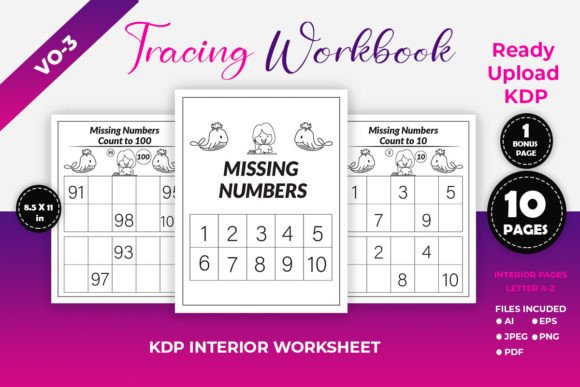
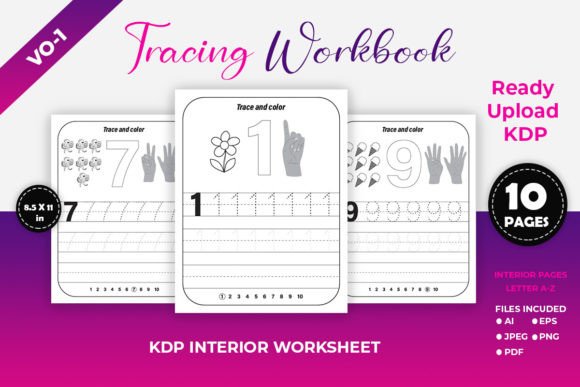
The core of any number tracing book is, of course, the numbers themselves. A well-organized Number Tracing 1-10 Book for Kids presents each numeral with large, bold examples that show directional arrows or numbered stroke guides. These guides are essential for teaching proper formation. Without them, children might write numbers from bottom to top or right to left, developing habits that are hard to correct later.
Each number usually receives its own dedicated page or spread, allowing the child to focus on one symbol at a time. The page typically includes a large example to trace with a finger first, followed by several lines of gradually smaller tracing opportunities, and finally blank space for independent writing. This "I do, we do, you do" structure mirrors effective teaching methods used in classrooms worldwide.
For numbers like 5 and 8 that require more complex strokes, extra practice rows give children the repetition they need without feeling rushed. Including small counting illustrations, such as three apples next to the number 3 or six stars beside the number 6, reinforces the quantity each symbol represents and deepens number sense.
Practical Features That Make Printing and Sharing Effortless
In today's world, where educational materials are often shared digitally among teachers, co-ops, and family members, the format of a workbook matters as much as its content. A fully prepared activity book should come with multiple file types that serve different needs, whether someone is printing at home, sending to a professional print shop, or editing pages for classroom customization.
Consider a workbook that provides the following file formats:
- High-Resolution AI File (Fully Editable): Adobe Illustrator files allow complete customization. Educators can adjust the layout, add school logos, change instructions, or extract individual pages for targeted practice. The fully editable nature of the AI file means the workbook can adapt to any teaching approach.
- High-Resolution EPS File (Fully Editable): Encapsulated PostScript files provide compatibility with various design programs. Like the AI file, an EPS file remains fully editable, making it a versatile choice for designers and publishers who want to incorporate the workbook into larger projects or branded educational materials.
- PNG Files: High-quality image files with transparent backgrounds are ideal for digital use, presentations, or creating custom worksheets in other document editors. Teachers can drag and drop individual pages into Google Slides or interactive whiteboard software.
- JPG Files: Universal image files that print beautifully and open on virtually any device. These are perfect for quick access and straightforward printing at home without specialized software.
- PDF File: The gold standard for printing. A high-resolution PDF preserves the workbook's exact layout, fonts, and spacing. Parents can print the entire 10-page book at once, while teachers can select specific pages for classroom sets. PDFs also ensure that nothing shifts or distorts during printing.
Having access to all these formats means the workbook is not locked into a single use. It can live as a printed booklet on a child's desk, a laminated set of reusable tracing sheets in a learning center, or a digital file annotated on a tablet with a stylus. This flexibility respects the diverse ways modern families and schools approach early learning.
Understanding the Workbook Specifications
The physical dimensions and layout details of a tracing workbook might seem minor, but they significantly impact usability. A standard size of 8.5″ x 11″ is deliberate. This letter-size format gives children plenty of room to practice without feeling cramped. The large pages allow for oversized number examples, which are easier for small hands to trace. When a child can see the full shape of the number 9 or 10 without needing to squint or cramp their fingers, they can focus on the motion rather than on staying inside impossibly tight lines.
With 10 total pages, the workbook remains concise enough to complete without fatigue but substantial enough to deliver meaningful progress. Each page typically addresses one number or skill area, creating a clear start and finish that helps children feel a sense of accomplishment. The no bleed design ensures that when printed, the content does not extend to the very edge of the paper. This is important for home printers, which often cannot print full-bleed pages without leaving unsightly white borders. A no-bleed layout respects printer limitations and produces clean, professional-looking sheets every time.
The workbook is marked ready for print and publish, meaning the design has been finalized with correct margins, color profiles, and resolution. There is no need for additional adjustments or troubleshooting before use. Whether someone prints a single copy for personal use or prepares a bulk order for a school, the output will be consistent and crisp.
Who Benefits Most from a Number Tracing 1-10 Activity Book
While the primary audience is clearly young children, the ripple effects of a well-made workbook touch many people involved in a child's education.
Parents and Home Educators
For parents, a ready-to-print workbook removes the guesswork from teaching handwriting at home. Instead of searching for scattered worksheets online or trying to draw practice sheets by hand, they can rely on professionally designed pages that follow a proven sequence. The activity book becomes a dependable part of a morning routine, a quiet-time activity, or a travel companion that keeps children engaged without screens. The progression from pencil control to number tracing ensures that even parents without teaching backgrounds can guide their children effectively.
Classroom Teachers and Tutors
Teachers value resources that align with curriculum standards and save preparation time. A fully editable AI or EPS file means they can modify pages for differentiated instruction, making some sheets easier or more challenging based on individual student needs. The ability to print unlimited copies from a single purchase is also budget-friendly for classrooms where worksheets are used frequently and need replenishing.
Occupational Therapists and Specialists
Professionals who work with children on fine motor delays or handwriting difficulties often incorporate tracing activities into their sessions. The pencil control exercises at the beginning of the workbook are particularly useful in therapeutic settings, where breaking down the writing process into smaller steps is essential. Large, clear tracing lines reduce visual clutter and help children with processing challenges focus on one task at a time.
At What Age Should Children Start Using a Tracing Workbook?
Most children are ready to begin number tracing between ages 3 and 5. However, readiness depends more on individual development than chronological age. Signs of readiness include the ability to hold a crayon or pencil with a developing tripod grasp, interest in drawing or scribbling, and the attention span to sit and complete a short activity. Starting with the pencil control pages before numbers allows younger children to ease into the workbook at their own pace. For children closer to kindergarten age, the full number tracing sequence from 1 to 10 typically feels manageable and motivating.
How Often Should Children Practice Number Tracing?
Short, frequent sessions yield better results than occasional marathon practice. Five to ten minutes per day is often ideal for preschool-aged children. This duration respects their attention span while providing consistent reinforcement. The 10-page format of this workbook naturally lends itself to being completed over two weeks if doing one page per weekday, though some children eagerly complete it faster. The goal is always positive association, not rushed completion.
Can Tracing Books Be Reused?
Absolutely. Many parents and teachers laminate the printed pages or place them inside clear plastic sheet protectors. Children can then trace with dry-erase markers, wipe the page clean, and repeat the activity indefinitely. This approach is especially popular in classrooms and with families who have multiple children. The PDF and image file formats make it easy to print fresh copies whenever needed, so even without lamination, the workbook offers unlimited reuse potential.
Connecting Tracing Skills to Broader Learning Goals
Number tracing does not exist in isolation. The skills developed through this workbook extend into nearly every academic area a child will encounter. The pencil control foundation supports letter writing and drawing. The number recognition paves the way for counting, addition, and subtraction. The ability to sit and complete a task builds the executive functioning skills required for more complex schoolwork later on.
Moreover, number tracing activities often become moments of connection between adults and children. Sitting beside a child and guiding their hand, celebrating when they trace a number independently, and counting objects together on the page are all bonding experiences that associate learning with warmth and encouragement. A workbook becomes more than pages to complete; it becomes a shared language of growth and discovery.
The inclusion of multiple editable file formats also opens doors for creative extensions. A teacher might pull a PNG file into a slideshow and have students trace numbers in the air before sitting down with their workbooks. A parent might print a number page, enlarge it on a wall, and let their child trace with a finger while standing—an excellent gross motor variation. These adaptations keep learning dynamic and responsive to how each child learns best.
Choosing the Right Workbook for Your Needs
When evaluating number tracing resources, look for clarity, quality, and flexibility. The workbook should be visually clean, avoiding excessive decorations that distract from the tracing task. The paper size should accommodate young writers comfortably. Multiple file formats ensure the resource can adapt as needs change, from printing at home to editing for specialized instruction.
A Number Tracing Workbook 1-10 that includes pencil control practice, offers fully editable AI and EPS files, provides PNG, JPG, and PDF formats, and comes in a no-bleed 8.5″ x 11″ layout with 10 ready-to-print pages represents a comprehensive package designed with both the child and the adult facilitator in mind. It respects the developmental stage of early learners while giving adults the tools they need to teach effectively and efficiently.
Ultimately, the right workbook is one that gets used. When the design is inviting, the progression feels natural, and the printing process is hassle-free, children and adults alike are more likely to return to it day after day. And it is in that daily return, that quiet consistency, that real learning takes root and blossoms into lasting confidence.